
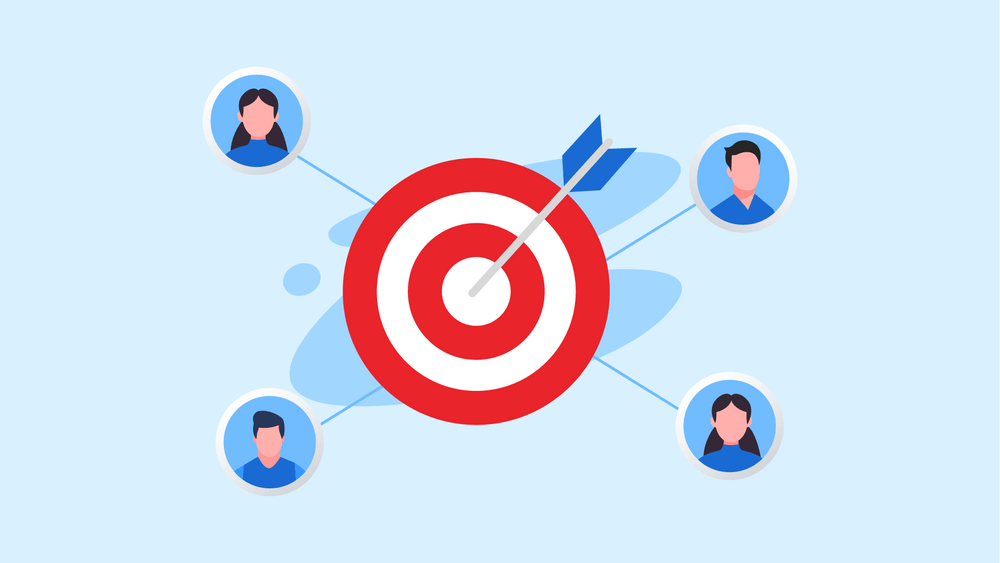
In the highly competitive nature of B2B, understanding your audience is your secret weapon for winning big. Let’s explore the essential steps and strategies to navigate this ever-evolving landscape and foster meaningful relationships with your B2B target market.
Why Knowing Your B2B Target Market is Crucial
Planning a journey without knowing the best route is a recipe for disaster. If you want your marketing and sales efforts to yield real results, guesswork simply won’t cut it.
Understanding your B2B target market is a fast track to hitting the nail on the head. That way, you can create products or services that actually meet the needs of your audience, craft marketing messages that hit home, and allocate your resources where they matter most. It’s your competitive edge and is more cost effective.
In short, a deep understanding of your B2B target market isn’t just a good idea; it’s business-critical.
The difference: Target Market vs Target Audience
“Target audience” and “target market” are often tossed around in marketing, but they have distinct meanings in your business strategy:
Target Market: Think of your target market as the broad group of individuals most likely to have an interest in your products or services. It’s like casting a wide net to encompass anyone who could benefit from what you offer.
Target Audience: A target audience is a more specific subset within your target market. These individuals share particular common traits, needs, or behaviours that align closely with various aspects of your offerings. In essence, a target audience is a more specific segment of your target market, used in different campaigns and advertising strategies.
How to Identify Your B2B Target Market
You may have heard that understanding your customers is key. But it’s not just about knowing who they are but truly connecting with their needs, crafting products with them in mind, and communicating effectively in a way that resonates.
Yet, it’s equally important to ensure that there’s a substantial customer base out there to support a growing business. Here are the steps to help you understand your customers and collate the potential size of your market:
Step 1: Define the Problem You Solve Instead of bombarding prospects with product features, focus on how your offerings directly solve their problems. This approach sheds light on the specific B2B audiences facing these challenges.
Step 2: Analyse Your Happy Customers Your existing customers are a goldmine of information. Identify the ones who derive significant value and express satisfaction with your offerings. This helps you understand who benefits the most.
Step 3: Identify Common Characteristics Group your companies based on shared attributes, such as industry, budget, revenue, size, employee size and location. This forms the basis of your Ideal Customer Profile (ICP), guiding your marketing strategies.
Step 4: Leverage Data for Insights Utilise data from existing customers and marketing campaigns. Analyse which industries or demographics connect most with your offerings, based on past interactions.
Step 5: Prioritise Customer Lifetime Value Consider the loyalty and value of your customers over time. Identify the ideal customers who consistently stick around and sign larger contracts.
Step 6: Gather Additional Customer Data For a comprehensive ICP, gather more data on your ideal customers. Explore their websites, social media profiles, and really get to know them, to understand their pain points and decision-making factors better.
Step 7: Create Your Ideal Customer Profiles With the gathered data and insights, craft detailed ICPs that encompass shared attributes, pain points, and behaviours. This profile will guide your marketing strategies and product offerings.

3 Bonus Tips for Identifying B2B Target Audiences
Having crafted your Ideal Customer Profiles, you’re well-prepared to launch targeted marketing campaigns. Here are some additional tips:
- Map Your Market: This not only involves market segmentation, competitive analysis, and understanding the market potential, but also going further and knowing further relevant insights like industry trends.
- Understand Your Competitors: Investigate your competitors’ strategies, the industries they target, and their client base. This analysis can reveal overlooked opportunities in targeting additional prospects effectively.
- Continuously Review Your Target Audiences: Markets are ever-evolving. Embrace a cyclical approach by revisiting your findings to spot shifts or trends in your audience’s preferences. Stay ahead in the ever-evolving game.
By applying these strategies, you’ll be well-equipped to unlock the full potential of your B2B target market and drive your business to new heights.
If you are looking to explore this further but just don’t have the time in your calendar, we’re here to help.
Get your free 2024 Guide to Email Marketing
 B2B Lead Generation Done For You
Leave a comment